
- Article
- November 17, 2026
How to monitor remote locations effectively: expert tips and practical insights
Limited access to electricity and internet connectivity does not have to be a barrier to effective surveillance. Marius Ramanauskas, an expert at ACC Distribution, shares practical advice on selecting and installing surveillance cameras in remote locations, while famous businessman Laurynas Suodaitis demonstrates how these technologies perform in real-world conditions.
Remote countryside properties, agricultural sites, forest areas and construction sites are just a few examples of locations where video surveillance can present additional challenges. These are often related to the lack of electricity and internet infrastructure, difficult access, or the need to ensure reliable long-term operation with minimal maintenance. In such situations, autonomous surveillance cameras that use mobile connectivity and alternative power sources can offer an effective solution. However, choosing the right equipment is only part of the process. Proper installation and careful planning are equally important to ensure reliable performance.
- Check mobile network coverage before installation
One of the most important factors when installing surveillance cameras in remote areas is reliable data transmission. Where Wi-Fi connectivity is unavailable, cameras supporting 4G LTE technology provide a practical alternative by transmitting video over a mobile network.
“Before installing a camera, we recommend checking the strength of the mobile network signal at the exact installation location. Even within the same property, signal quality can vary significantly. Therefore, it is important to assess not only the general network coverage but also the specific installation point. A stable connection is essential for reliable live viewing, motion notifications and remote camera management,” explains Marius Ramanauskas, an expert at ACC Distribution.
- Ensure a reliable autonomous power supply
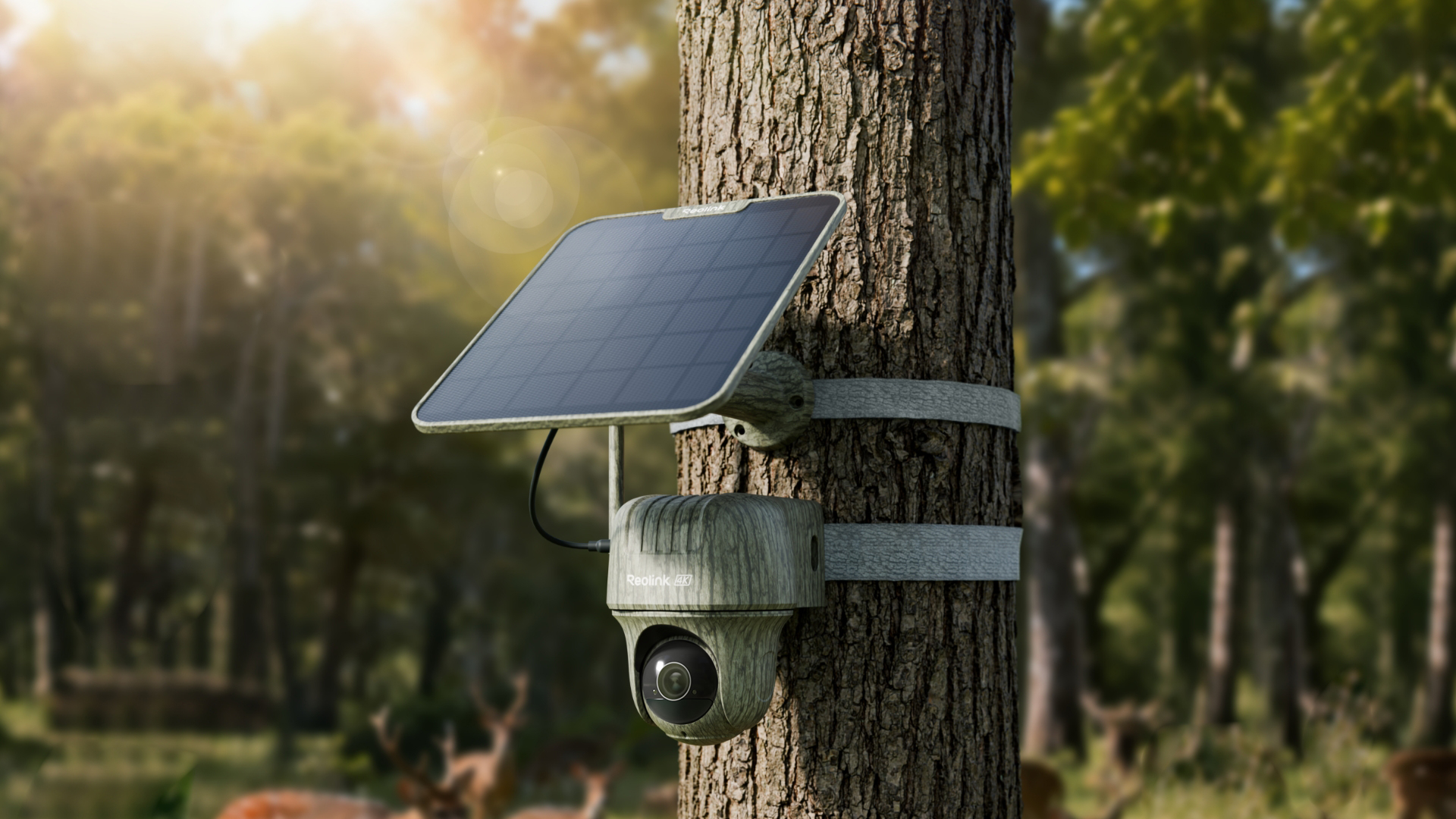
In locations without access to the electricity grid, cameras equipped with rechargeable batteries and solar panels are particularly useful. Such solutions eliminate the need for extensive cabling and offer greater flexibility when choosing an installation location.
However, the efficiency of solar-powered cameras largely depends on environmental conditions.
“When installing a solar panel, it is important to choose a location that receives sufficient direct sunlight. Areas shaded by dense tree canopies or nearby structures should be avoided whenever possible. Seasonal changes should also be considered, as shorter and cloudier winter days can reduce charging efficiency. It is also worth noting that Reolink has 4G cameras with replaceable batteries, allowing users to swap in a fully charged spare battery when needed. However, proper solar panel positioning remains essential to ensure efficient battery charging and minimize the need for frequent camera maintenance,” advises Marius Ramanauskas.
Brand Development Manager Marius Ramanauskas

- Choose the right monitoring location and camera features
Effective surveillance begins with a clear understanding of what needs to be monitored. Depending on the application, this could be property entrance, wildlife trails, buildings, equipment storage areas or other important locations.
When selecting a camera, key features to consider include video resolution, night vision capabilities, motion detection and automatic object tracking. “Choosing the right installation angle allows users to monitor the most important areas more effectively. In certain situations, automatic object tracking can provide significant additional value. Cameras equipped with this feature can adjust their viewing direction to follow moving objects, reducing the likelihood of losing them from the frame. This is particularly useful for wildlife observation and monitoring larger outdoor areas,” notes the expert.
- Consider installation flexibility and maintenance requirements
In remote locations, a camera’s functionality is only one part of the equation. Ease of installation, repositioning and maintenance are equally important. Autonomous cameras that do not require power or network cables provide greater flexibility. For example, mounting straps can allow cameras to be attached directly to trees or other suitable surfaces without complicated installation work.
Equally important is the equipment’s resistance to environmental conditions, especially when cameras are installed outdoors and need to operate reliably in varying weather conditions. Most Reolink outdoor cameras are designed to withstand dust and moisture, making them suitable for use in rain, snow and other challenging weather conditions. Remote access and management capabilities are also worth considering, as they allow users to review recordings and adjust camera settings without visiting the installation site. This helps reduce the need for frequent on-site visits, saving both time and transportation costs.
Real-world experience: how technology supports wildlife monitoring
The practical benefits of autonomous surveillance technology were recently demonstrated by businessman and nature enthusiast Laurynas Suodaitis, who has been using wildlife monitoring cameras in hunting grounds for several years.
The practical benefits of autonomous surveillance technology were recently demonstrated by businessman and nature enthusiast Laurynas Suodaitis, who has been using wildlife monitoring cameras in hunting grounds for several years.
Businessman Laurynas Suodaitis
Suodaitis installed a Reolink Go Series G450 camera with a solar panel in a hard-to-reach section of his hunting grounds, where wildlife frequently migrates. During testing, the camera captured a group of more than twenty wild boars, while its automatic object tracking feature helped monitor moving animals more effectively.
According to Suodaitis, remote monitoring not only saves time and travel expenses but also helps minimize unnecessary disturbance to wildlife. This is particularly valuable when monitoring locations situated tens or even hundreds of kilometers away. His experience demonstrates how autonomous surveillance technology can provide practical benefits beyond wildlife observation, especially in situations where regular physical access is difficult or costly.
Where else can autonomous surveillance cameras be used?
Although autonomous cameras are often associated with wildlife observation, their potential applications extend far beyond this field.
- Agriculture: Monitoring remote farm facilities, agricultural properties and livestock activity.
- Forestry: Observing forest areas, wildlife movements and hard-to-access locations.
- Construction: Monitoring construction sites, temporary storage areas and equipment.
- Private properties: Keeping an eye on remote countryside homes, holiday properties and other rarely visited locations.
- Commercial sites: Monitoring remote storage facilities, outdoor areas and other locations without conventional power or internet infrastructure.
When selected and installed correctly, autonomous surveillance technologies can improve remote property monitoring, reduce maintenance requirements and provide greater operational flexibility in locations where conventional surveillance systems would be difficult to deploy.