
- Article
- January 6, 2026
Smart Technology Expert: Many Devices Are “Written Off” Too Early
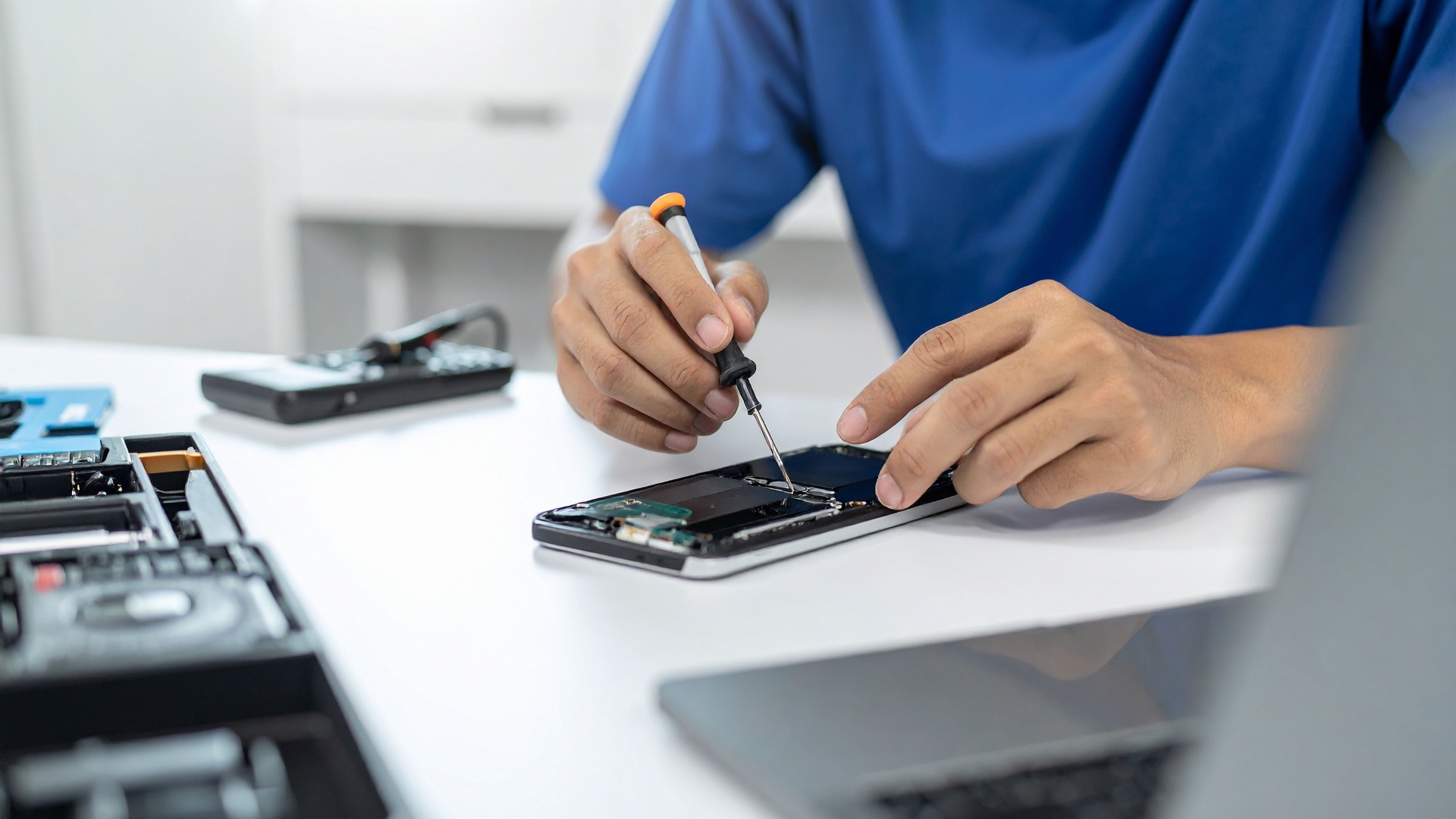
Do you know someone who replaced their phone or computer not because the old one stopped working, but simply because a newer model came out? Most likely, you do. Discarding devices that are still perfectly functional has become common practice, and as a result, the volume of electronic waste is rapidly increasing worldwide.
According to Albertas Zujus, Business Development Manager at ACC Distribution, there is at least some reason for optimism, as this trend is slowly beginning to change: “Consumers are increasingly aware that technology does not necessarily lose its value the moment a new model appears on the market. In many cases, a device still has plenty of untapped potential, which is why people are opting for less fashionable but more sustainable solutions.”
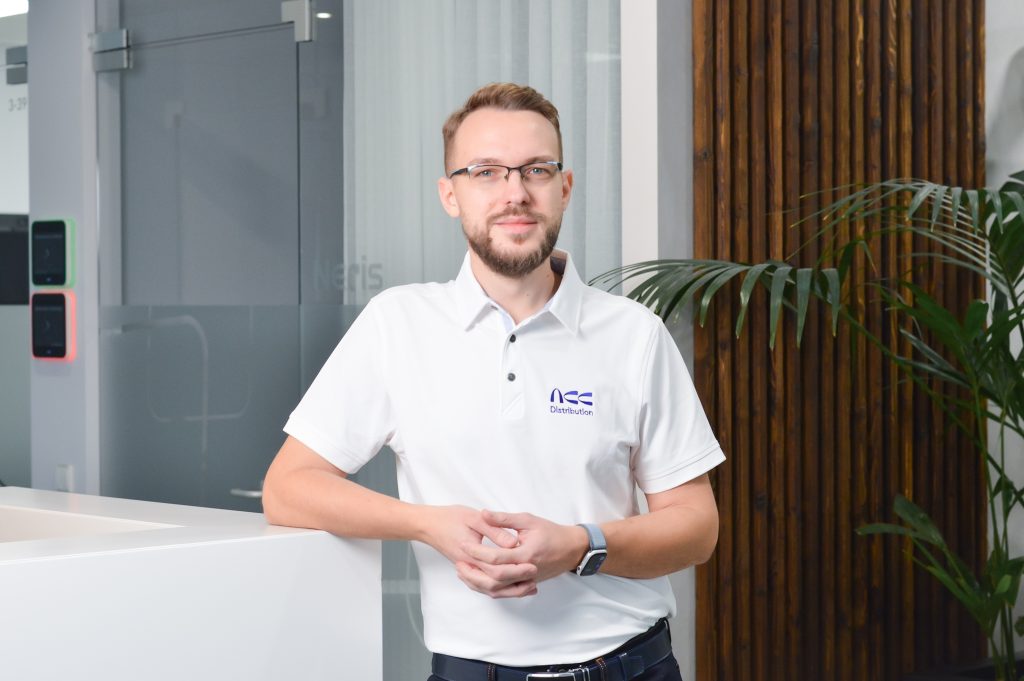
Albertas Zujus, Business Development Manager at ACC Distribution
One such option is renewed (or refurbished) equipment. These are previously used smartphones, tablets, and laptops that have been professionally inspected and restored, making them fully functional, in good condition, and ready for use.
Renewed Devices Have Been Used Less Than You Might Think
According to A. Zujus, equipment refurbishment is often not about trying to revive outdated technology. Rather, it is a responsible way to reassess technically sound equipment and prepare it for a new life, as in most cases these devices have been used far less than their technical capabilities would allow. This category typically includes demonstration models or devices returned with minor cosmetic defects, while remaining fully functional from a technical standpoint.
According to the specialist, all devices are prepared for secondary use at an authorized service center in accordance with a standardized process. This process includes both technical inspection and privacy assurance. Using special software, the data on the devices is securely deleted so that it cannot be recovered, and the procedure itself complies with European Union data protection requirements. As a result, every device reaches the customer not only in proper working condition, but also fully secure.
“First, each device is thoroughly cleaned, all previous data is removed, the operating system is reinstalled, and comprehensive functional tests are carried out. This is a crucial step in ensuring that the device performs as it should and meets all quality standards,” the specialist explains.
If any performance issues are identified during the technical inspection, the necessary repairs are carried out using only original parts. Once all procedures are completed, the device is packaged and covered by a 12-month warranty.
Clear Categories Make It Easier to Choose the Right Device
Although all renewed devices function just as smoothly, buyers can choose devices based on their cosmetic condition. For clarity, all equipment is divided into four categories: A++, A, B, and C. In product descriptions, these categories are labeled with term “Grade.”
Grade A++ devices look like new, showing no visible signs of use. Grade A devices may have barely noticeable surface marks, while Grade B devices typically exhibit light scratches. Grade C devices have more pronounced cosmetic imperfections, which do not affect functionality but are more noticeable.
A. Zujus emphasizes that visual differences should not be misleading: “When it comes to renewed devices, their appearance never reflects the technical quality of the device. It simply allows people to choose based on their aesthetic preferences and budget. Functional tests are the same for all models.”
An important factor when evaluating devices is battery capacity. Refurbished phone batteries are never below 80% of their original capacity and often exceed that, so users rarely notice any significant difference compared to new models. In Grade C laptops, battery capacity may be slightly lower, as this category prioritizes price over aesthetics or battery life, but this still does not affect overall functionality.
This clear categorization allows buyers to choose what matters most to them: flawless appearance, a more attractive price, or the optimal balance between the two.
Complete Accessories and Long Lifespan
When purchasing a renewed device, buyers don’t need to worry about preparing it themselves. All essential accessories are included: smartphones and tablets come with a charging cable, while laptops are supplied with either the original charger or a certified compatible charger from another manufacturer. If additional accessories are included, this is always clearly indicated in the product description so that buyers know exactly what they are getting.
Since these devices are ready to use right away, it’s also important to consider their longevity. A. Zujus emphasizes that modern technology is built to last far longer than we often assume: “Many renewed devices could truly be called not used, but „written off too early“. Modern technology is designed for long-term use, so after professional refurbishment, it performs flawlessly.”
On average, a new device lasts 5–6 years, while most renewed models were used for only one or two years—or sometimes even less—before refurbishment. This means they can reliably function for another 3–4 years or more, depending on usage habits.
Which Matters More: a Few Scratches or Sustainability?
Choosing renewed devices is a step toward more responsible technology use. Every device given a second life directly reduces electronic waste, which is currently one of the fastest-growing types of waste in the world.
Manufacturing new devices requires significant amounts of water, energy, and raw materials. By renewing a tested device, it is prepared for reuse.
However, sustainability isn’t the only reason to choose pre-owned technology. As A. Zujus points out, many consumers worry that renewed devices may have surface scratches or signs of use, even though these are simply a natural part of everyday life.
“A new device only looks perfect until the protective film is removed. With everyday use, minor marks are inevitable, so a few scratches do not determine the device’s value. What truly matters is its technical condition and reliability,” says A. Zujus.